From the intense drum rhythms of Senegal to the swaying flow of Nigeria. African dance offers endless expression and energy. Whether it’s traditional folk dance or modern street style, there’s always something new to discover.
We offer courses ranging from traditional Kizomba to modern styles like Urban Kiz and Tarraxinha. These dance styles provide both challenge and joy for dancers of all levels.
With a mix of educational dance classes in Stockholm and a warm community, we offer you the chance to not only learn the techniques behind African dance, but also experience the strong social and emotional connection that dance creates.
Whether you’re a beginner or an experienced dancer, we welcome you to explore African dance with us at iDance Studio in Stockholm.

What is African dance?
African dance is a collective term for hundreds of different dance styles that have emerged in Africa. The dances are often linked to everyday life, ceremonies, or celebrations.
They are characterized by:
- Rhythmic energy – Often danced to live drums or pulsating beats.
- Body presence – The movements come from the whole body, with a strong focus on the hips, shoulders, and feet.
- Community and feeling – Dance is a way to express yourself and share energy with others.
Regardless of background or level, African dance is something everyone can experience. It’s not about perfection, but about feeling, movement, and joy.
Dance Styles from the African Continent
African dance is a rich blend of movements and music from various countries and cultures across Africa. Each region has its unique traditions and dances, reflecting the daily lives and celebrations of its people.
There’s an incredible variety of African dance styles, each with its own history and rhythm.
Some of the most well-known african dancestyles include:
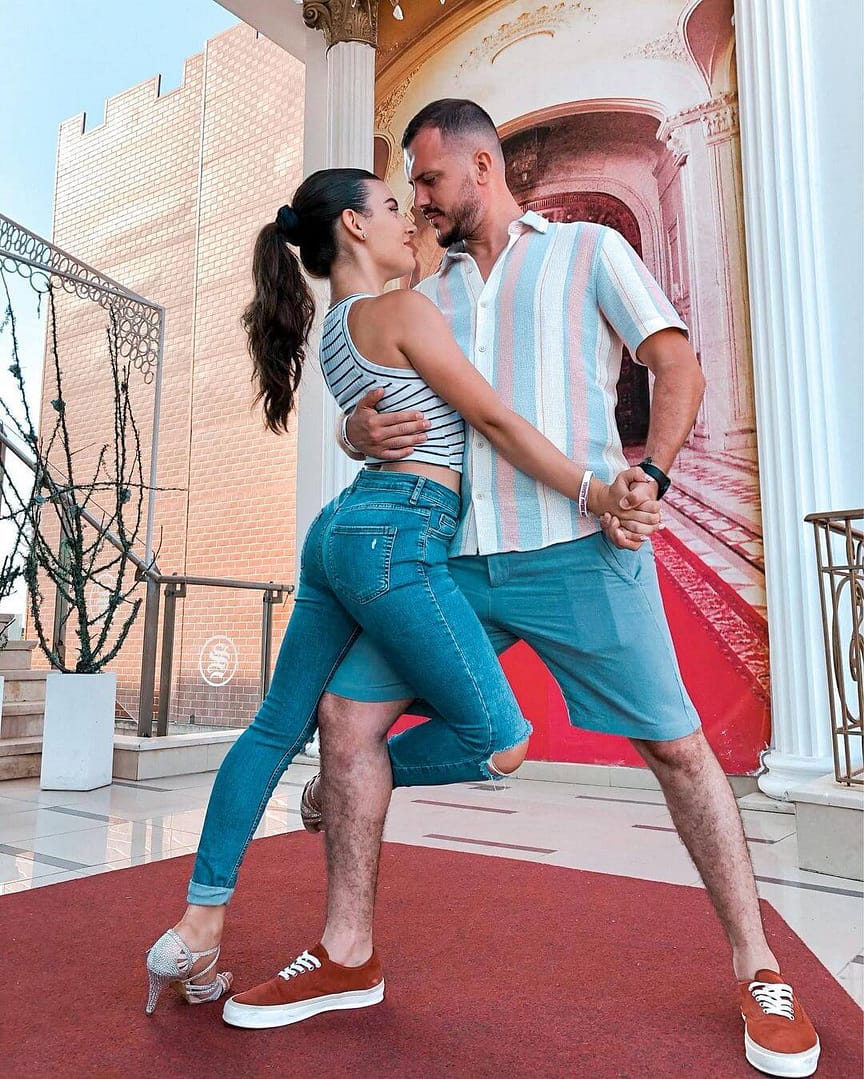
- Kizomba (Angola) – A smooth, close partner dance where you follow the rhythm together with your partner. Perfect for those who enjoy contact and musicality.
- Urban Kiz (Angola) – A more modern version of Kizomba with cool breaks and stylish movements. Often danced to electronic music.
- Tarraxinha (Angola) – A sensual dance with a focus on small, detailed movements, lots of feeling, and lots of presence.
- Azonto (Ghana) – Creative and playful street dance where the body gets to express everyday movements in a fun way.
- Pantsula (South Africa) – Fast footwork and strong attitude. A dance with roots in South Africa’s urban culture.
- Sabar (Senegal) – Rhythmic, powerful, and intense. Danced to drumbeats with lots of energy and character.
- Shaku Shaku (Nigeria) – Relaxed flow with bouncing and shoulder movements. Simple steps that make everyone want to join in.
- Gwara Gwara (South Africa) – Rocking movements that start in the shoulders and sweep through the body. Difficult to stand still.
- Afrobeats (West Africa) – A collection of modern dances to Afrobeats music, always rhythmic, cheerful, and full of energy.
At iDance, you can immerse yourself in Kizomba, Urban Kiz, and Tarraxinha, a few of the many fascinating styles within African dance.
If you’re a beginner, we also offer trial courses so you can test and find the style that suits you best!
Kizomba
Often called Angola’s answer to tango, Kizomba is a dance of smooth movements and deep emotional connection. Originating in 1980s Angola, it blends traditional music with Zouk influences.
- Courses for all levels – Beginners learn the basics while advanced dancers are challenged with more complex steps.
- Calm and passionate rhythm – The dance requires harmonious synchronization between partners.
- Built on trust – The close connection in Kizomba relies on mutual trust and respect.
Urban Kiz
Urban Kiz is a modern interpretation of Kizomba, with an urban twist and influences from R&B and house music. It’s more dynamic and acrobatic than the traditional style.
- Freer style – Dancers can express their personality through creative movements.
- Social interaction – Great for meeting new people and building connections.
- Emotional expression – Urban Kiz provides a platform for partners to develop strong dynamics.
Tarraxinha
Tarraxinha is a more subtle and slower version of Kizomba, focusing on small, deliberate movements and intimate communication.
- Detailed movements – Small, controlled steps create an emotional connection.
- Slower rhythm – Allows time to deepen each movement and emotional interaction.
- Builds closeness – Requires deep interaction between dance partners.
Our Course Levels in African Dance
Learning African dance is a process that builds on gradual development.
Each level offers new challenges and helps you grow both technically and rhythmically.
- Beginner – You’ll learn the basic steps and rhythm, focusing on understanding the foundational movements central to various African dance styles.
- Intermediate – Build on the basics with more complex sequences and combinations that enhance your technique and fluidity in dance.
- Advanced – The dance becomes more challenging and requires technical precision, with a focus on expressing emotions and stories through movements.
African dance is a fantastic way to improve your fitness and flexibility while gaining a deeper cultural understanding.
No matter your level, you’re welcome to grow with us at iDance! There’s also the option to book private lessons with our experienced dance instructors, who specialize in Kizomba, Urban Kiz, and Tarraxinha.